Single-Estate vs Supermarket Olive Oil: Is the Price Difference Worth It?
October 10, 2026 - Olive Oil
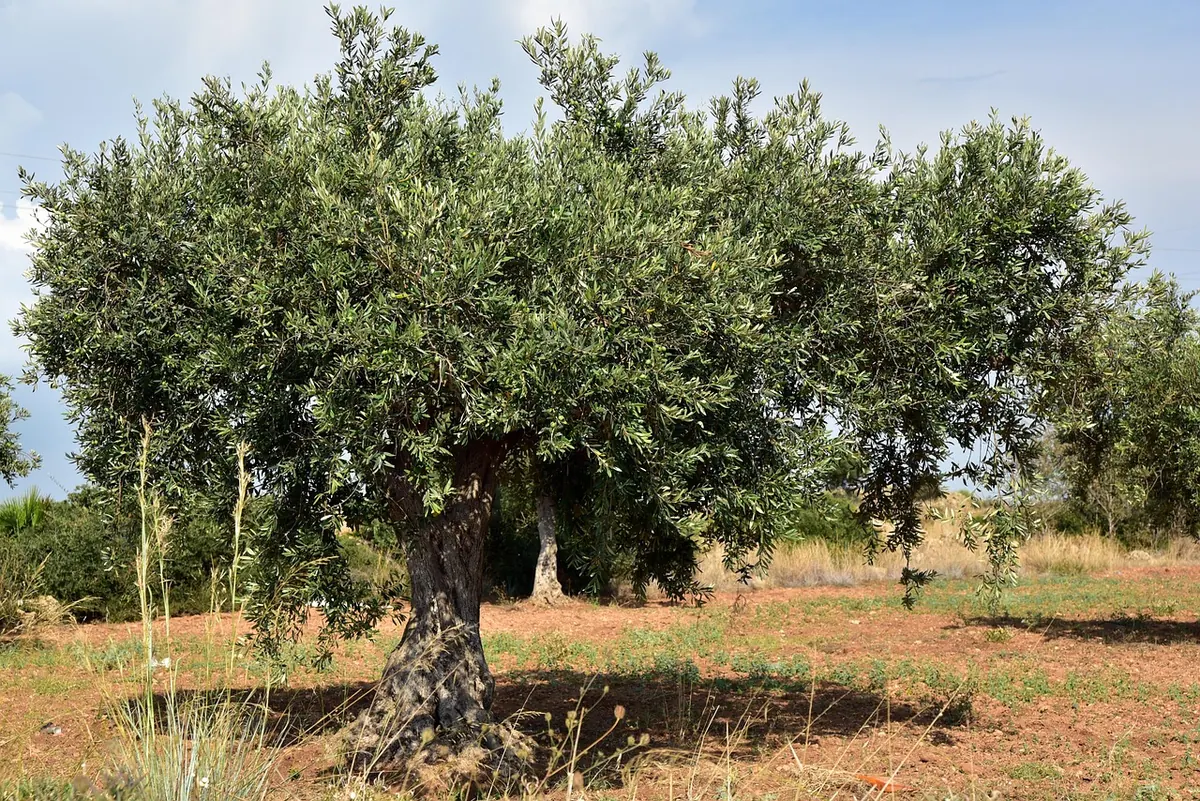
An olive grove in Britain once sounded like a joke told by someone who had spent too long in Provence. The joke has worn thin. Walk a sheltered south-facing slope in Cornwall, a walled garden in Sussex or a sun-trap courtyard in south London and you will find olive trees that have been in the ground for years, fruiting well enough to be picked. A handful of growers now press their own oil, in quantities measured in bottles rather than barrels. This is not industrial agriculture. It is a crop being tested in real time, and the results are more interesting than most people expect.
Mediterranean groves carry centuries of inherited knowledge. British growers have roughly two decades of it. Much of what stands in the ground here was planted by gardeners and smallholders rather than agronomists, which means the lessons have been learned tree by tree: which corner of the plot holds warmth, which one floods in February, which variety sulks through a wet winter and which one shrugs it off.
That improvisation is now turning into something more deliberate. Growers talk to each other, compare notes on ripening dates, share pressing arrangements and slowly build a picture of what a British olive harvest actually looks like. It is early days, but the direction of travel is clear.
If you take one thing from British olive growing, take this: the tree is not the difficult part. The position is. Olives want sun, air movement and drainage, and they want all three in abundance.
The best sites are south or south-west facing, sheltered from prevailing winds, and sitting on free-draining ground. A wall helps twice over, holding warmth and bouncing light back onto the canopy. Coastal and maritime spots often outperform inland ones because the winters are gentler. Frost pockets are the enemy: low ground, valley bottoms and anywhere cold air settles on a still night.
Heavy clay is a problem. If that is what you have, plant on a mound, dig in plenty of grit or horticultural sand, and consider a raised bed. Olives hate wet feet far more than they hate cold. A tree that sits in saturated soil through a British winter is a tree that will develop root problems long before it ever thinks about fruiting.
No variety is bulletproof in a British climate, but some are far more forgiving. The ones that come up most often in UK plantings tend to be compact, productive and reasonably cold-tolerant.
Koroneiki and other Greek cultivars are wonderful in the right place, but they are less tolerant of cold and wet, so treat them as a gamble unless your site is exceptionally kind. Planting two or three varieties together usually improves pollination and spreads your risk across different flowering and ripening times.
Olives ripen on accumulated warmth. In the Mediterranean that is not a question. In Britain it very much is. Fruit often hangs into November and beyond, and oil content climbs slowly. Early picking gives a greener, more bitter and peppery oil, which many growers prefer, but it also gives less of it. A litre of oil can demand several kilos of fruit, so a small tree rarely fills more than a bottle or two.
Warmer summers have lengthened the ripening window, and that has helped. The catch is variability. A hot July followed by a cool, grey August can leave fruit half-ripened when the first frosts threaten.
British winters are mild but wet, and wet is the harder problem. Saturated roots invite root rot and soil-borne wilt; damp, still air encourages leaf spotting and fungal disease. Give trees space, prune for an open centre so air moves through the canopy, and never let water sit around the trunk.
A brief frost is survivable. A week of hard, penetrating cold is not, particularly for young trees and anything grown in a pot. Late spring frosts are worse still, because they can strip the flowers that would have become your crop. Fleece, a windbreak and a well-chosen site do more good than any spray.
Pest pressure may also shift. Olive fruit fly and olive moth, both familiar in the Mediterranean, are not established problems here, but warmer summers could change that. It is worth knowing what the damage looks like before you find it.
A British harvest usually runs from late autumn into the new year, picked by hand because the fruit bruises easily. Olives should reach the press within a day or two of picking, which is where practicalities bite: milling capacity in the UK is limited, so fruit may travel some distance, and small batches need coordinating with other growers to make a pressing worthwhile.
Expect a distinctly green style of oil — grassy, artichoke-like, often peppery at the back of the throat. Store it in a dark bottle, somewhere cool, and use it within a year while the character is intact. If you intend to sell what you make, speak to your local authority about food hygiene and labelling requirements before you bottle a single drop, and consider having the oil tested: extra virgin is a technical grade, not a marketing word, and it depends on acidity and the absence of defects.
Britain will not be supplying its own olive oil in any meaningful volume, and anyone promising that is selling something. What is realistic is a small, distinctive niche: well-made, high-quality oils from named sites, sold locally and drunk young.
Warmer summers may push the viable boundary northwards, and polytunnels, improved varieties and shared pressing equipment will all help. But the same changing climate brings the opposite risks — wetter winters, erratic springs, sudden frosts after a mild spell. The growers who do well will be the ones who plant for the average year and prepare for the bad one.
Grown this way, a British olive harvest is modest, unpredictable and genuinely rewarding. Which, for a crop that has no business being here at all, is a decent result.
Photo: ulleo / Pixabay
Single-estate olive oil costs far more than a supermarket bottle, but the difference shows mainly in freshness and...
A region-by-region tasting tour of Italian, Spanish and Greek olive oils, with flavour notes, traditional pairings...
Copyright © 2026 Olive Point. All Right Reserved.