Single-Estate vs Supermarket Olive Oil: Is the Price Difference Worth It?
October 10, 2026 - Olive Oil
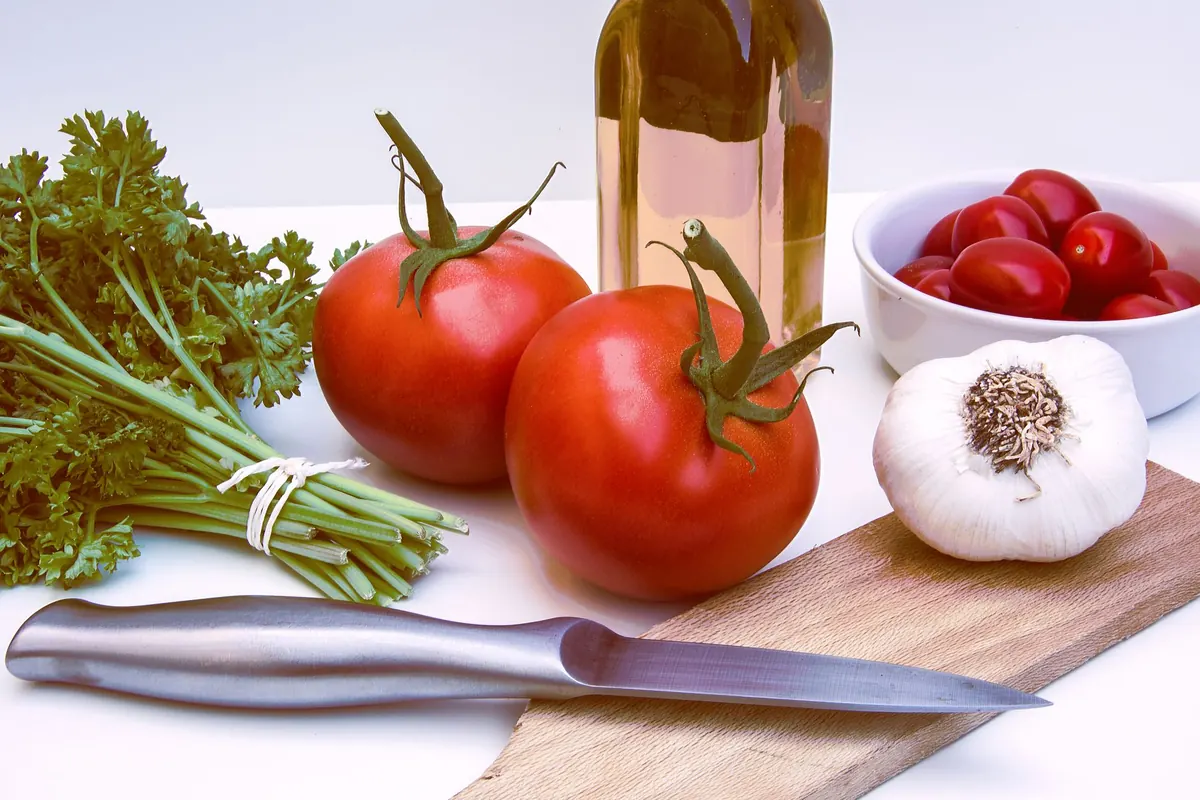
Good olive oil is one of the few foods that genuinely earns its reputation. It has been the main cooking fat across large parts of the Mediterranean for centuries, and it is the fat heart researchers keep returning to when they try to explain why some populations have historically had lower rates of heart disease.
What follows is a plain-English summary of what that research actually shows: where the evidence is strong, where it is thinner than the headlines suggest, and how to use it in an ordinary kitchen.
The Mediterranean diet is the most studied eating pattern in cardiovascular research, and olive oil is the fat at its centre. A large Spanish trial known as PREDIMED compared a Mediterranean diet supplemented with extra virgin olive oil or nuts against a lower-fat comparison diet, and found fewer major cardiovascular events — heart attacks, strokes and deaths from cardiovascular causes — in the Mediterranean groups. The trial has since been criticised and re-analysed, but its overall direction has held up.
Alongside that, large observational studies following people for years have tended to link higher olive oil intake with lower rates of heart disease. Observational work can never prove cause and effect on its own, but the pattern is consistent across countries and decades, which is why olive oil sits so comfortably inside official heart-healthy eating advice.
Roughly three-quarters of the fat in olive oil is monounsaturated, mostly a fatty acid called oleic acid. That matters because the type of fat you eat influences the cholesterol carried in your blood far more than the total amount of fat does.
LDL cholesterol is the particle that carries cholesterol into your arteries, and higher levels are linked with the build-up of fatty deposits. When you swap saturated fat — butter, lard, fatty cuts of meat, hard cheese, coconut oil — for unsaturated fat, LDL levels tend to fall. Olive oil does this. Polyunsaturated oils such as sunflower and rapeseed lower LDL a little more, but olive oil has other things going for it: it tends to leave HDL, the "good" carrier, alone or slightly higher, and it is relatively resistant to oxidation during cooking.
The size of the effect on LDL is modest rather than dramatic. It is a nudge in the right direction, repeated daily for years, that adds up.
Extra virgin olive oil also contains polyphenols — compounds such as hydroxytyrosol and oleocanthal. These appear to reduce oxidation of LDL particles and to have mild anti-inflammatory effects. They are also what give good oil its bitterness and that peppery catch at the back of your throat. European regulators allow a claim that olive oil polyphenols contribute to the protection of blood lipids from oxidative stress, provided the oil supplies a meaningful amount per daily serving.
This is the bit that frequently gets lost. Olive oil is not a supplement to be added to any diet. It is the fat that makes a Mediterranean pattern work, and that pattern does much of the heavy lifting: plenty of vegetables, fruit, beans and lentils, whole grains, nuts and fish; dairy in moderation; red and processed meat only occasionally; few sugary drinks and sweets.
Someone who pours olive oil over sausages and white bread is not getting the same benefits as someone using it to dress a bean salad, roast vegetables and cook fish. Used well, oil is the thing that makes vegetables taste good enough to eat more of — which may be its most useful contribution of all.
Extra virgin olive oil is extracted mechanically, without chemical refining, so it keeps its polyphenols and its flavour. Refined olive oil and the "ordinary" blends sold in supermarkets have a very similar fat profile but far fewer polyphenols and a neutral taste.
Two practical points people often get wrong:
Olive oil is a food, not a treatment. If you have high cholesterol, existing heart disease, are taking statins or blood-thinning medication, or you are managing diabetes, talk to your GP or a registered dietitian before making changes to your diet — particularly if you are thinking about cutting back on medication. The same applies if you have pancreatic, liver or gallbladder problems, where fat intake is sometimes closely managed.
For most people, though, the message is refreshingly low-drama. Cook with good olive oil, use it to make vegetables and beans taste worth eating, and keep the rest of the plate roughly Mediterranean. That is a pattern worth sticking to for decades, which is exactly the timescale that heart health is played out over.
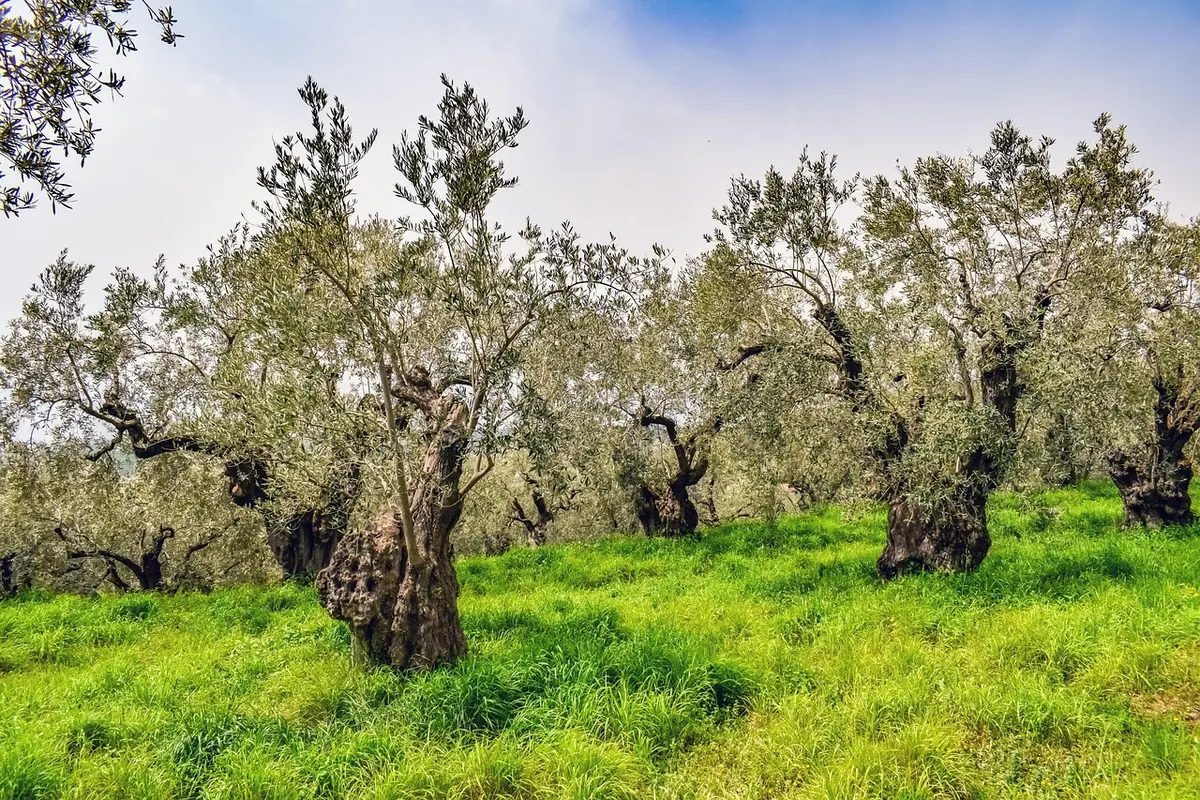
Photo: Creative Free Stock / Pexels
Single-estate olive oil costs far more than a supermarket bottle, but the difference shows mainly in freshness and...
A region-by-region tasting tour of Italian, Spanish and Greek olive oils, with flavour notes, traditional pairings...
Copyright © 2026 Olive Point. All Right Reserved.