Single-Estate vs Supermarket Olive Oil: Is the Price Difference Worth It?
October 10, 2026 - Olive Oil
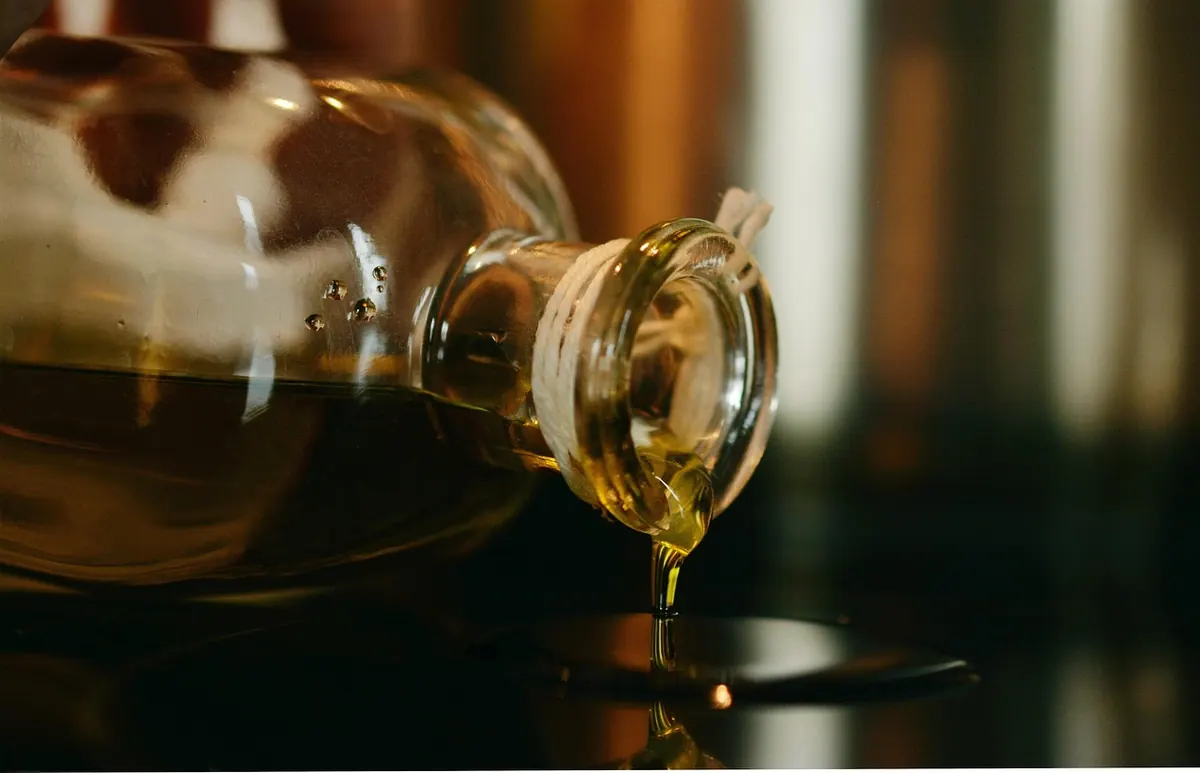
You can learn a lot about an extra virgin olive oil from one sip: a green, grassy aroma, a bitterness at the back of the tongue, then a peppery catch in the throat that makes you cough. Those sensations are not a stylistic quirk. They are the taste of polyphenols — the compounds that separate a genuinely fresh oil from a tired, flat one, and the reason almost all the interesting research on olive oil concerns the extra virgin grade rather than refined oils.
Here is what they are, why the calendar matters so much, and how to get them onto your plate without turning dinner into a chemistry experiment.
Polyphenols are a broad family of plant compounds. In an olive tree they work as a defence system: they help the fruit cope with insects, fungi and hard sunlight, and they contribute the fierce bitterness of an unripe olive. When olives are crushed and the oil is separated, some of those compounds travel into the oil. Refining strips most of them out, which is why the extra virgin grade is the one worth paying attention to.
You will see these on labels and in tasting notes. None of them is a reason to buy on its own, but together they explain what you are tasting.
One complication: many of these compounds occur in complex forms called secoiridoids, and different laboratories measure them differently. So the “total polyphenols” figure on one bottle is rarely directly comparable with the figure on another. Treat the number as a rough guide, and your own senses as the more reliable test.
Polyphenols are the oil’s own preservative. They mop up oxygen and slow the breakdown of the fats around them, which means they are gradually used up while the bottle sits in your cupboard. Heat, light and air all speed that process. A well-made oil kept in a dark bottle in a cool place will still taste noticeably softer after eighteen months than it did in its first month; the same oil left beside a sunny window will go flat far sooner.
This is why the harvest date matters more than the best-before date. Olives are picked in autumn and winter, so a bottle stamped with the most recent harvest is likely to be livelier than one that has already spent a year and a half in transit and on shelves. Early-harvest oils, pressed from greener olives, generally carry more polyphenols and more bitterness — and yield less oil per kilo of fruit, which is one honest reason they cost more.
A quick tasting takes two minutes and tells you most of what you need to know.
An oil with no bitterness at all is not automatically poor — some varieties are naturally gentle, and riper olives give softer oil. But an oil with no aroma, no sting and a greasy rather than clean mouthfeel is usually past its best, however grand the label.
Polyphenols are antioxidants, which is a shorthand way of saying they can help limit the damage that oxygen and normal metabolism do to cells and to fats in the blood. In the EU, there is an authorised health claim for olive oil polyphenols, permitted where the oil contains at least five milligrams of hydroxytyrosol and its derivatives per 20 grams — roughly a tablespoon and a half. The claim concerns the protection of blood lipids from oxidative stress.
Keep that in proportion. It is a statement about a marker, not a promise about disease, and much of the laboratory research uses concentrated extracts at doses well above anything you would pour on a salad. The strongest evidence around olive oil remains about dietary patterns — the way olive oil, vegetables, pulses, fish and whole grains work together over years. If you take medication or live with a health condition, speak to your GP or pharmacist before making significant changes to your diet.
You do not need a tasting flight or a specialist shop. You need one decent bottle used often.
Check the harvest date on whatever is in your kitchen now. If there is no date, or it refers to a harvest two years ago, finish it for roasting and buy fresh. Store the new bottle somewhere cool and dark, tightly closed, away from the hob and the kettle — not on the windowsill, however handsome it looks there. Taste it before you buy if you can, at a deli or farmers’ market, and buy from producers whose oil you have enjoyed before.
Then use it. Olive oil is not a special-occasion ingredient, and the polyphenols that make it interesting are best appreciated in the ordinary rhythm of cooking: a splash on tomatoes, a spoon over lentils, a drizzle on bread. Open it, use it, and replace it while it still has its bite.
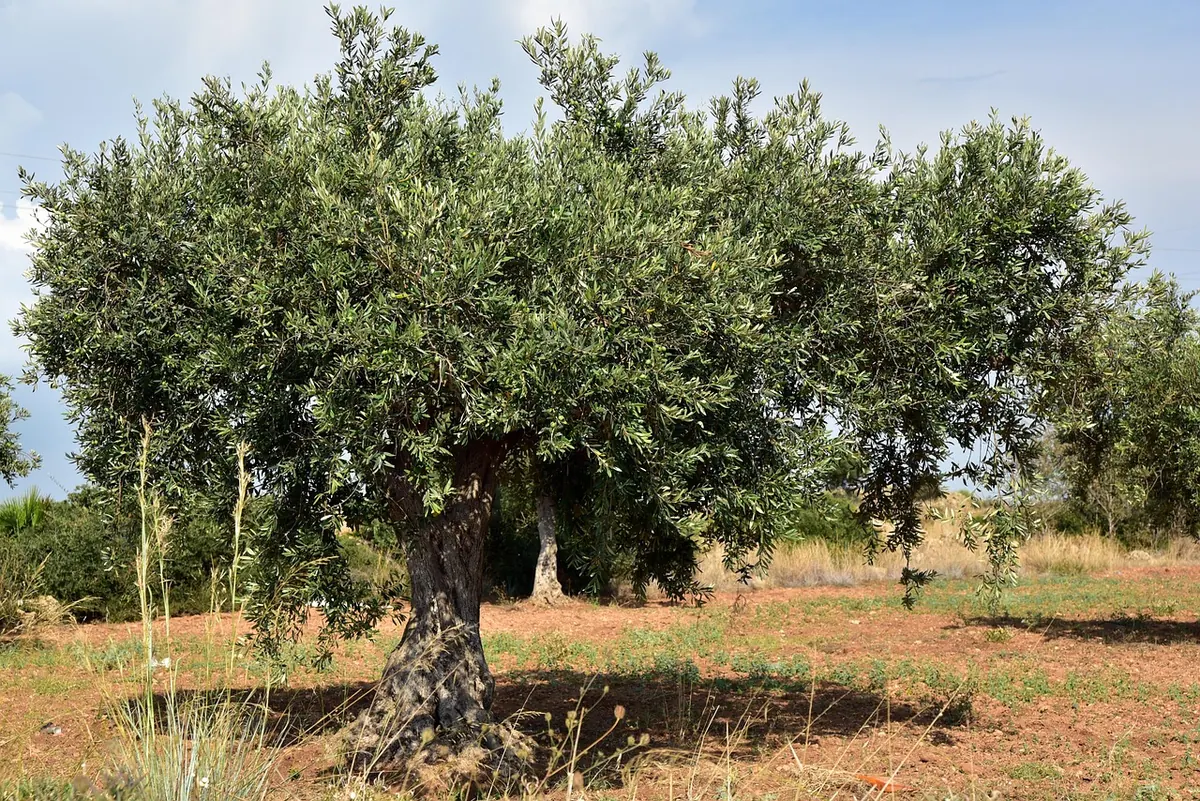
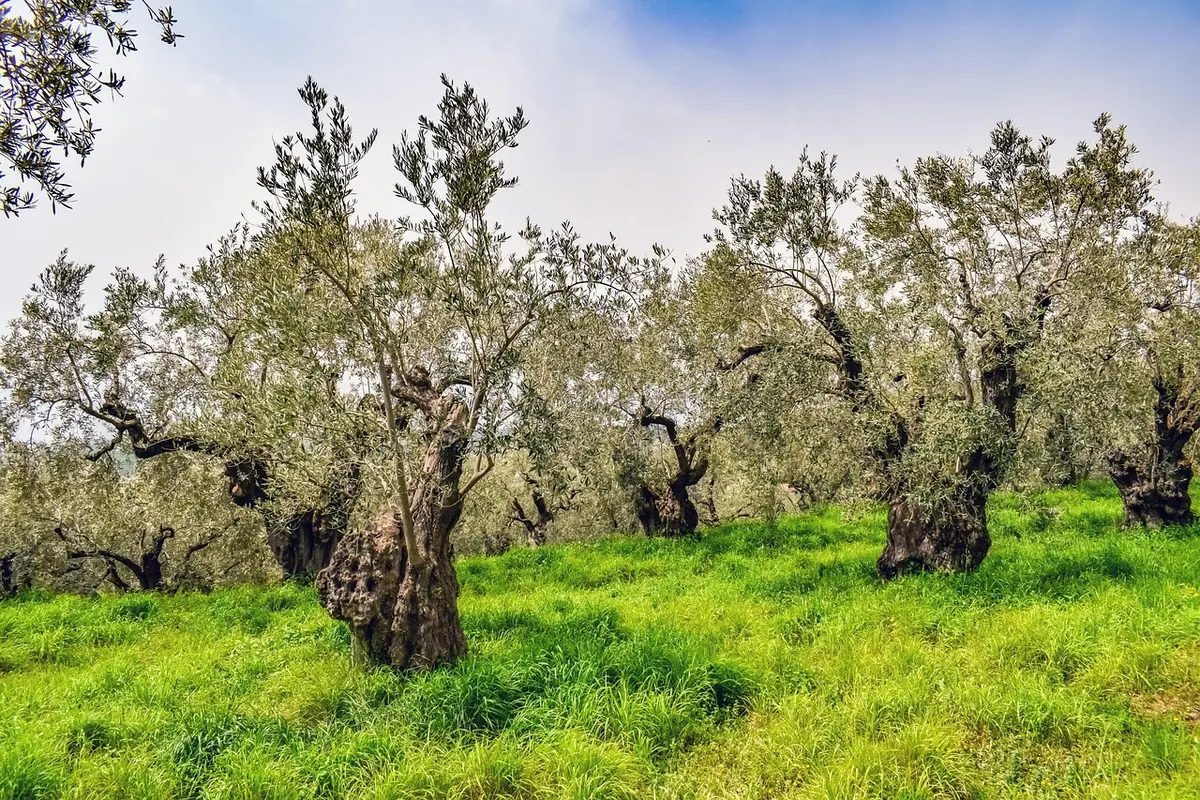
Photo: congerdesign / Pixabay
Single-estate olive oil costs far more than a supermarket bottle, but the difference shows mainly in freshness and...
A region-by-region tasting tour of Italian, Spanish and Greek olive oils, with flavour notes, traditional pairings...
Copyright © 2026 Olive Point. All Right Reserved.