Single-Estate vs Supermarket Olive Oil: Is the Price Difference Worth It?
October 10, 2026 - Olive Oil
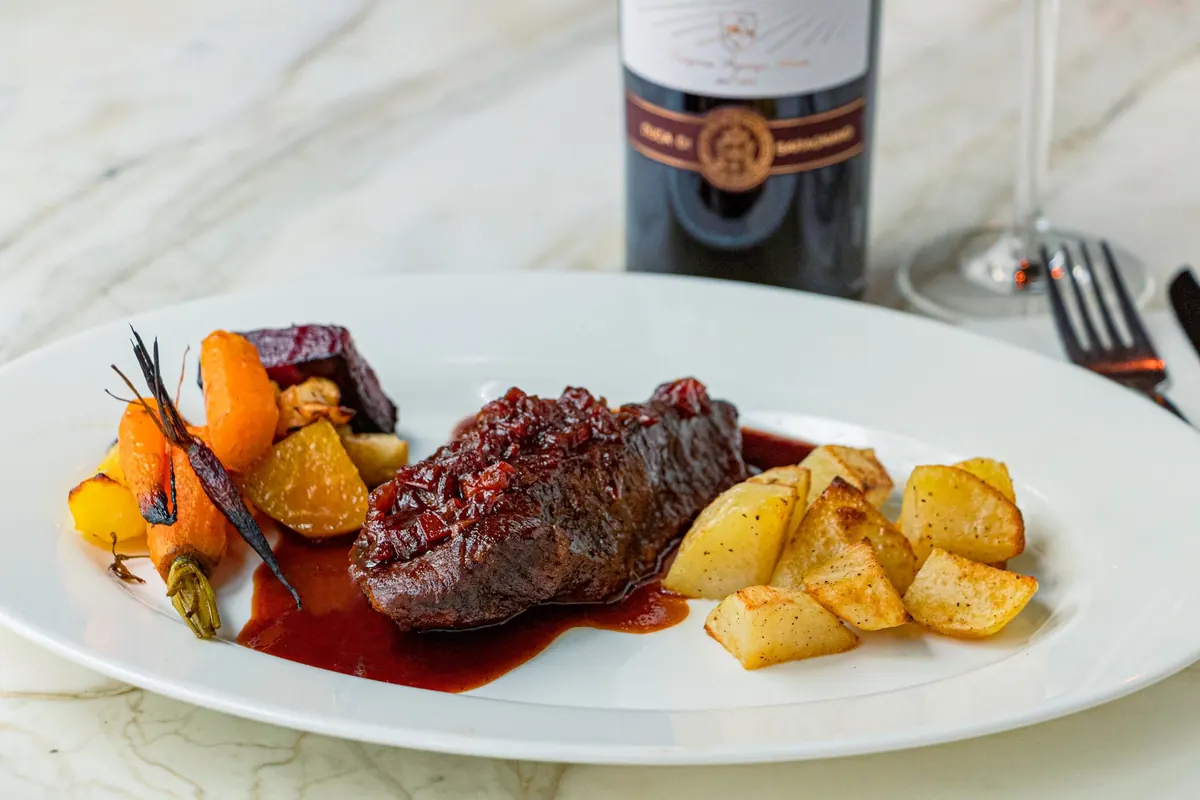
Autumn cooking has its own logic. The oven goes on, the kitchen warms through, and the vegetables that spent the summer underground finally get the treatment they deserve. Carrots, parsnips, beetroot and potatoes roasted long enough to soften and hot enough to catch at the edges turn sweet and deep in a way that boiling never manages. Olive oil and rosemary do most of the work.
They bring different things. Carrots and parsnips caramelise quickly and turn almost honeyed. Beetroot stays dense and earthy, with a juiciness the others don't have. Potatoes are the structural element: the crisp-edged, floury counterweight that soaks up whatever you spoon over them.
They also cook at slightly different speeds, which is worth understanding before you start. Beetroot takes longest. Thin parsnip batons can scorch before they're tender. Potatoes need space and a properly hot tin. Treat them as four ingredients sharing one oven rather than a single homogenised pile, and the results improve immediately.
Extra virgin olive oil is fine for roasting. The idea that it collapses the moment it meets a hot oven is overstated — it is high in monounsaturated fat and carries natural antioxidants, which makes it reasonably stable at the temperatures a domestic oven reaches. What you are really choosing is flavour.
A robust, peppery oil from Greece, Crete or southern Italy holds its character against the sweetness of roasted roots. A very delicate, grassy oil is wasted here; the heat blunts it and you won't taste the difference. This is a good moment for the everyday bottle rather than the one you keep for finishing.
Use roughly three to four tablespoons for a large roasting tin — enough to coat every piece with a thin, glossy film. More than that and the vegetables steam in their own puddle instead of roasting. Less and they dry out and stick.
Aim for pieces of a similar size. A parsnip baton twice the thickness of a carrot will still be hard when the carrot is collapsing.
Crispness is mostly about water and space. Wet vegetables steam; crowded vegetables steam. Dry everything properly after washing, and resist the urge to heap the tin — use two tins if that is what it takes.
A preheated tin matters more than most recipes admit. Vegetables landing on hot metal begin browning straight away rather than sweating slowly while the tin catches up.
Red onion wedges, celeriac, swede and squash all work; add squash later, as it collapses quickly. A teaspoon of cumin or fennel seed tossed in with the oil suits carrots and parsnips particularly well. Chilli flakes are good if you're serving this with something bland.
A drizzle of honey or maple syrup in the last ten minutes encourages browning, but it burns easily, so watch it. Balsamic vinegar stirred in at the end, off the heat, gives a sharp edge without turning bitter.
These roots sit naturally beside roast chicken, sausages or a slow-cooked shoulder of lamb. For a vegetarian plate, serve them with lentils and a spoonful of yoghurt loosened with lemon, or a tahini dressing thinned with water.
Cold roasted roots make a decent lunch with leaves, a sharp dressing and something crumbly. Chopped small and fried, they turn into a rough bubble and squeak. Beetroot will tint everything it touches, so keep it in its own container if the colour bothers you.
Expect 40 to 55 minutes in total, depending on how small you have cut things and how your oven behaves. The only reliable test is a knife through the thickest piece. Every oven is different, and the number on the dial is a suggestion rather than a fact.
Write down what you did — tin size, temperature, timings — the first time you make this. By the second or third attempt you will have a version tuned to your own kitchen, and it becomes one of those dishes you can put together without thinking on a grey Saturday afternoon.
Photo: Nicu Cobasnean / Pexels
Single-estate olive oil costs far more than a supermarket bottle, but the difference shows mainly in freshness and...
A region-by-region tasting tour of Italian, Spanish and Greek olive oils, with flavour notes, traditional pairings...
Copyright © 2026 Olive Point. All Right Reserved.