Single-Estate vs Supermarket Olive Oil: Is the Price Difference Worth It?
October 10, 2026 - Olive Oil
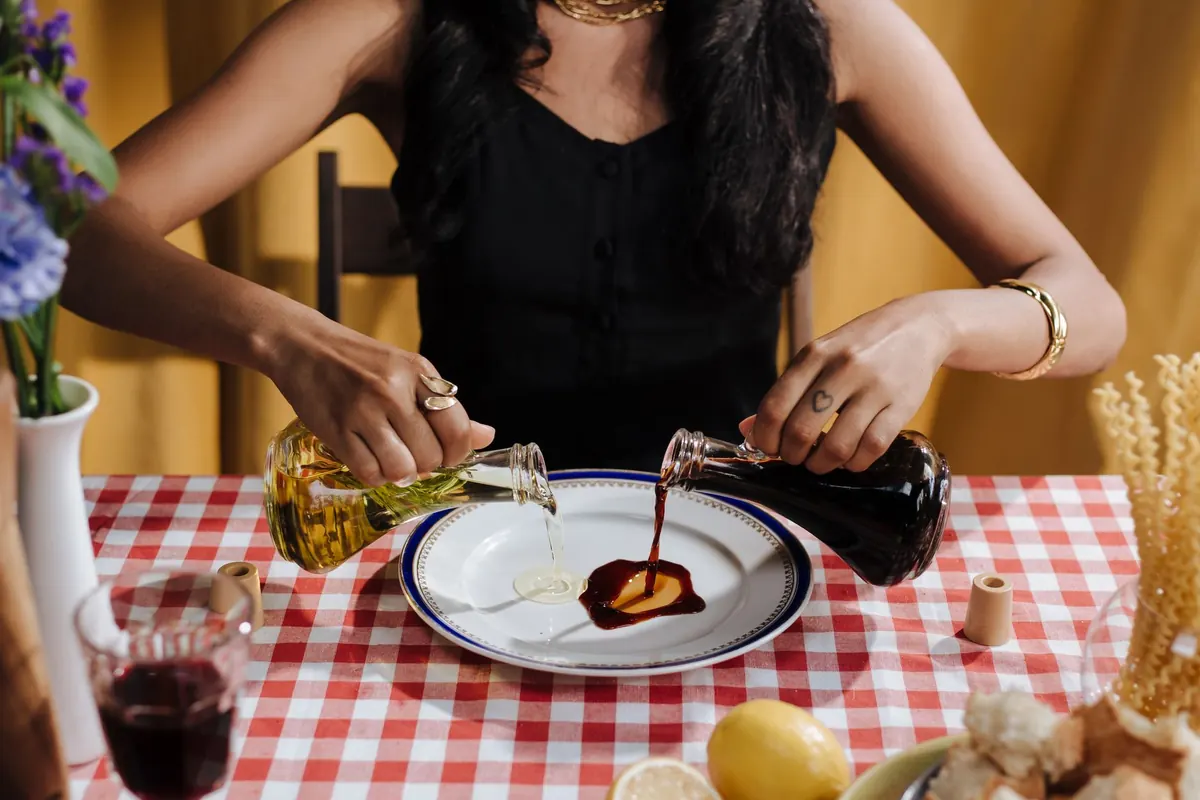
There are dressings you make to impress, and dressings you make because dinner is nearly ready. Ladolemono belongs firmly in the second group, which is exactly why it tastes so good: good olive oil, fresh lemon juice, salt, a fork and thirty seconds of whisking.
Spoon it over a just-grilled fish or a pile of warm boiled greens and it does more than most complicated sauces manage. It is also the quickest way to make a decent bottle of olive oil taste like something you would be served at a taverna table.
Ladolemono — sometimes written latholemono — means, quite literally, oil and lemon. It is the dressing Greek cooks reach for most days of the week. No vinegar, no shallots, and in most home kitchens no mustard either. The olive oil leads, the lemon sharpens it, and salt brings the two together.
Unlike a classic vinaigrette, ladolemono is usually served lightly emulsified rather than permanently blended. In many tavernas it arrives as a bright, slightly broken sauce that you spoon over food rather than drizzle. That looseness is a feature, not a fault: it clings to greens and runs into the crevices of a grilled fish without turning thick and creamy.
It is also worth clearing up one small confusion before we go further. Ladolemono is not avgolemono, the egg-and-lemon sauce thickened with whisked egg and often finished with hot broth. Avgolemono is a sauce you build carefully over heat; ladolemono is a sauce you stir together cold in a bowl while the kettle boils. Same two star ingredients, completely different job.
Start with two parts extra virgin olive oil to one part freshly squeezed lemon juice. That balance is rich enough to feel like a sauce and sharp enough to cut through oily fish or a plate of fried courgettes.
From there, adjust by taste rather than by rule. For something softer, push it to three parts oil to one part lemon. If you are dressing bitter greens such as chicory or dandelion, or serving it alongside mackerel, go the other way — equal parts keeps things brisk.
Lemons vary enormously in acidity, and so do olive oils. Two tablespoons of juice from a small, thick-skinned lemon is not the same as two from a large, thin-skinned one. Taste as you go; it takes ten seconds and saves a whole batch.
You do not need a blender, and honestly you are better off without one. High-speed blades can turn good olive oil faintly bitter, and they whip in more air than this sauce wants. A fork, a small whisk, or a jar with a tight lid is all you need.
If you are making it in a jar, the method is even shorter: salt and lemon in first, shake hard, then add the oil and shake again. Thirty seconds, no bowl to wash.
This is where ladolemono earns its place in the kitchen. It is the default dressing for horta — boiled dandelion greens, vlita, spinach, chard, or a plain head of broccoli — served warm so the dressing soaks in rather than sitting on top.
Beyond greens, it is the classic finish for grilled fish: sea bream, sea bass, sardines, a whole trout. Also grilled octopus, boiled beetroot with their greens, roasted potatoes straight from the tray, steamed artichokes, gigantes beans, and a bowl of warm rice or orzo. In Cyprus and the eastern Aegean you will often see it spooned over grilled halloumi or crumbled feta. It is excellent over a simple cabbage or carrot slaw, where the lack of vinegar keeps everything tasting clean and sweet.
In a Greek kitchen, ladolemono is less a recipe than a reflex — the answer to any plate that needs nothing more than oil, lemon and salt.
Half a teaspoon of Dijon whisked into the lemon juice before the oil makes a far more stable emulsion that will hold for hours. This is the version to make if you are dressing a salad in advance or packing a lunch.
A pinch of dried rigani, rubbed between your fingers first, turns it into the dressing you taste on Greek salads and grilled fish in summer. Add it after the oil, not before, so it does not clump.
One small clove, grated to a paste and left to sit in the lemon juice for five minutes, gives a bolder, rounder sauce that is excellent on roasted potatoes and grilled bread. Use it the same day — garlic in oil turns harsh and, if left out for long, becomes a food-safety concern.
A plain oil-and-lemon ladolemono will keep in a sealed jar in the fridge for three or four days, though the oil will solidify and the mixture will separate. Bring it back to room temperature and shake it hard before using. If you have added garlic, herbs or mustard, use it within a day or two.
Do not freeze it — the emulsion breaks and never quite comes back. And do not make it in a giant batch hoping to save time; the whole point of ladolemono is that it takes half a minute, so there is nothing to save.
Make it once, spoon it over something hot and plain, and you will understand why Greek cooks have never felt the need to complicate it.
Photo: Ron Lach / Pexels
Single-estate olive oil costs far more than a supermarket bottle, but the difference shows mainly in freshness and...

A region-by-region tasting tour of Italian, Spanish and Greek olive oils, with flavour notes, traditional pairings...
Copyright © 2026 Olive Point. All Right Reserved.